

Steroid use presents significant health risks that differ based on the type of steroid consumed, whether anti-inflammatory corticosteroids such as prednisone or performance-enhancing anabolic steroids. Common adverse effects include elevated blood pressure, weight gain, severe acne, mood fluctuations, and an increased susceptibility to infections or bone density loss. For comprehensive medical insights, resources such as the Cleveland Clinic overview are available.
Anabolic steroids pose specific dangers, including potential heart damage, heightened blood pressure, and an increased likelihood of heart attacks or strokes. Users may also experience liver damage, tumors, and abnormal cholesterol levels. In men, anabolic steroids can lead to testicular shrinkage, reduced sperm count, and infertility, while women may face deepened voices, facial hair growth, and menstrual irregularities. Additionally, severe psychiatric effects, such as aggression and depression, as well as risks of blood-borne diseases from shared needles, are notable concerns. Adolescents using these steroids may also experience stunted growth if taken before reaching full height. Further information can be found in the Mayo Clinic guide on performance enhancers.
Long-term use of corticosteroids carries its own set of risks, including weakened bones, which can lead to osteoporosis and fractures. Users may also develop high blood sugar levels, potentially resulting in diabetes, and may experience eye issues such as cataracts and glaucoma. Furthermore, long-term corticosteroid use can increase vulnerability to severe infections, cause facial swelling (moon face), and lead to body fat redistribution. Psychological effects may include anxiety, sleep disturbances, and severe depression.
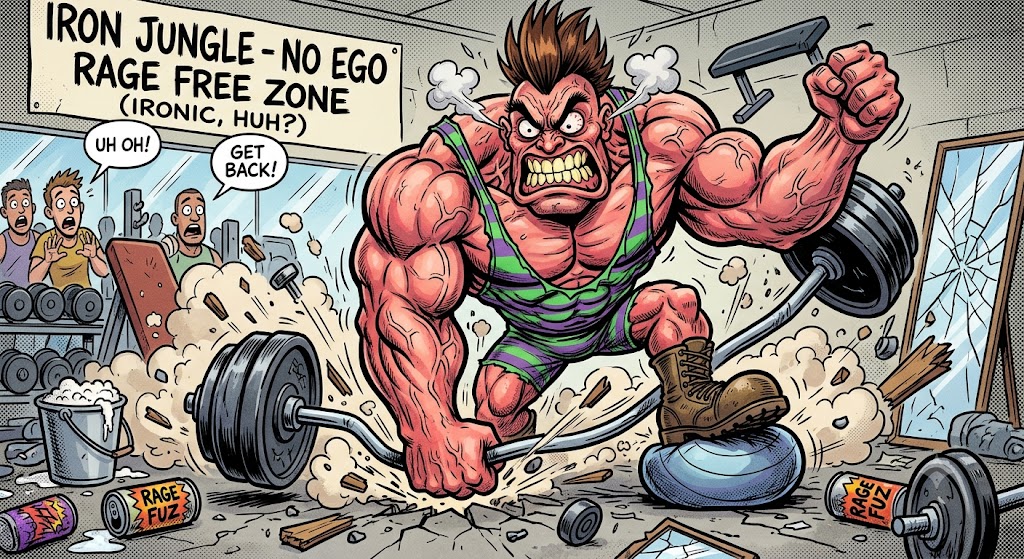
Anabolic-androgenic steroids can lead to significant psychological and emotional disturbances. Prolonged use or high doses are often associated with severe mood fluctuations, unprovoked aggression—commonly referred to as “roid rage”—as well as symptoms of mania, paranoia, and major depression, particularly during withdrawal phases.
The psychological effects of steroid misuse include increased aggression and hostility, characterized by frequent anger and verbal confrontations. Users may also experience mania or hypomania, marked by heightened energy levels and feelings of grandiosity. Additionally, mood swings can occur, resulting in rapid transitions from euphoria to distress, alongside heightened anxiety and paranoia, which may manifest as increased suspicion and fear.
Withdrawal from anabolic steroids can lead to significant psychological challenges, including severe depression, characterized by low mood and fatigue. Users often experience intense cravings for the substance, coupled with apathy, which manifests as a diminished interest in everyday activities and a lack of motivation.
Anabolic steroid use significantly disrupts the body’s natural hormone balance, leading to extensive physical consequences. While these substances enhance protein synthesis for muscle growth, they also induce harmful changes in various organ systems. The introduction of synthetic testosterone results in a negative feedback loop that suppresses the body’s own hormone production, leading to conditions such as testicular atrophy, reduced fertility, and gynecomastia in men. Women may experience irreversible masculinization effects, including voice deepening and menstrual irregularities, alongside altered hair growth patterns.
The cardiovascular system is particularly vulnerable to the effects of steroid use, which can severely compromise heart and vascular health. Steroids can cause cardiomegaly, characterized by the abnormal enlargement of the heart muscle, which diminishes its efficiency. Additionally, users often experience severe dyslipidemia, marked by increased levels of LDL cholesterol and decreased HDL cholesterol, contributing to a higher risk of hypertension and other cardiovascular issues.
Long-term steroid use elevates the likelihood of serious health complications, including thrombosis, which can lead to blood clots, strokes, and sudden heart attacks. The cumulative impact of these changes underscores the dangers associated with anabolic steroid use, highlighting the need for awareness and caution regarding their use in pursuit of enhanced physical performance.
The use of steroids can lead to significant physical changes that impose considerable stress on the body’s structural components. This can result in severe acne, characterized by clogged pores and oily skin, which often leads to permanent scarring, particularly on the back and chest. Additionally, the rapid growth of muscles can outpace the adaptation of tendons, increasing the risk of tendon tears and ruptures. In adolescents, steroid use may cause premature fusion of growth plates, ultimately limiting their potential height.
Steroids, whether taken orally or through injections, place a heavy burden on the body’s filtration organs, compelling them to process high levels of synthetic compounds. This can lead to liver toxicity, with increased risks of conditions such as peliosis hepatis, liver tumors, and even liver failure. The kidneys are also at risk, as prolonged exposure to these substances can result in significant stress and potential damage or failure.
Furthermore, the practice of sharing or reusing needles for steroid injections poses serious health risks, as it can introduce blood-borne pathogens, including HIV and Hepatitis B or C. This highlights the importance of safe practices in the administration of steroids to mitigate the risk of infections and other severe health complications.
The reversibility of steroid side effects is contingent upon the specific steroid, dosage, and duration of use. Generally, mild and short-term effects tend to resolve after discontinuation of the drug. However, prolonged and heavy use, particularly of anabolic steroids, can result in irreversible damage to various organs, hormonal systems, and physical characteristics.
Reversible side effects typically include mood alterations such as irritability and aggression, which often stabilize after cessation. Physical symptoms like acne and fluid retention usually diminish, while hormonal issues in men, such as testicle shrinkage and reduced sperm counts, may recover over time, albeit sometimes requiring medical intervention. Cognitive impairments associated with corticosteroids, including memory lapses and sleep disturbances, generally improve once the medication is stopped.
Conversely, long-term misuse or high dosages can lead to permanent consequences. Cardiovascular damage, including chronic hypertension and an enlarged heart, poses significant risks for heart attacks and strokes. Liver complications, such as cirrhosis or tumors, may not fully heal. Additionally, women may experience irreversible changes like a deepened voice and facial hair growth, while men may face gynecomastia and potential infertility. Furthermore, adolescents may suffer from stunted growth and lasting bone density issues.
https://my.clevelandclinic.org/health/treatments/5521-anabolic-steroids
https://northroid.is/how-steroids-work/